

Explore
the Coast & "Country" Side of North Devon
|


PRESS
RELEASES FROM THE DEVON WILDLIFE TRUST
www.devonwildlifetrust.org
*DWT has 11 Local
Groups based around the county. All play an important role in
DWT's work and are always looking for more volunteers.
*DWT cares for some 40 nature reserves around the county. Most
are open to the public.
*DWT currently has over 31,000 members.
*DWT has been protecting Devon's wildlife for over 40 years.
Charity helpdesk to accept call of the wild Ref: (DWT 23 Feb 2012). A local wildlife charity is this week re-launching its Wildlife Helpdesk which aims to give advice to people with enquiries about a range of wildlife issues. The Devon Wildlife Trust has opened the doors of the Helpdesk which is being run from its offices in Commercial Road, Exeter, next to the charity's headquarters at Cricklepit Mill. Up until now the organisation has run an ad hoc advice service to respond to the hundreds of calls it receives each year. Now with a £10,000 Awards for All grant from the Big Lottery Fund, the organisation has revolutionised the facility to provide a better service to the public, including the creation of a drop in facility for people in the local area. Verity Hunt DWT's Administration Officer said: "We get many calls on a wide range of issues such as planning, wildlife gardening and species identification. It is clearly a very popular and important service we are running but it's been crying out for more funding and more volunteers to help. It's fantastic to now be up and running and to be able to take more calls and for people to be able to drop in to see us. The grant has helped us maintain, improve and expand the service so we can respond more efficiently to more people's requests for information and advice." The service is being run primarily with the help of local volunteers who are using their time and knowledge to help others in need. Alice Waterson, one of Helpdesk's longer-standing volunteers, says: 'Being involved in the new helpdesk has been really exciting. We now have some great facilities here and we will be able to provide a really useful information service to the public. It's very rewarding to be helping local wildlife and in helping local people to learn and understand more about the species and habitats we have here in Devon'. People who wish to use the service can call 01392 260884 email hdesk@devonwildlifetrust.org or pop in weekdays between the hours of 10am and 4pm. For more information about Wildlife Helpdesk visit www.devonwildlifetrust.org
Otterly in love at Valentines - public show fondness for Adopt a Species scheme Ref: DWT 1 Feb 2012
Devon Wildlife Trust's (DWT) is offering its popular adopt a species scheme this month suggesting to supporters that it is a great alternative gift for Valentines Day. The adopt a species scheme, launched in 2009 through the DWT website, www.devonwildlifetrust.org allows people to support the Trust's conservation work in Devon, protecting habitats and species for future generations to enjoy. People can choose to 'adopt' from a list of five lovable species: dormouse, otter, dolphin, bat and hedgehog. With each £20 donation, purchasers will receive a soft toy of their chosen species along with a welcome letter, fact sheet, certificate, a postcard of the species, a fun activity book, a pack of six colouring pencils and an update letter after six months. DWT's Phoebe Grubb said: 'This is a great way for people to support our work - adopt a species makes the perfect gift for nature loving adults at this time of the year! The packs come with great little cuddly animals and are a really nice way to show your love for someone special.' The money raised through the scheme goes towards the costs of carrying out conservation work throughout the county benefiting these species and the habitats that they need to thrive. To adopt a species today, visit www.devonwildlifetrust.org or call Devon Wildlife Trust on 01392 279244
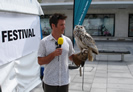
Nick Baker confirmed to open summer Wildlife Festival (DWT 20/1/2011
 |
Devon residents invited to help the hog. A local wildlife charity has launched a new campaign to find out more about the current state of the hedgehog population in Devon. Devon Wildlife Trust is asking local people to send in records of hedgehog sightings in or near their garden over the last few years via its website. There is growing evidence which suggests that the hedgehog population is in decline throughout the UK and this much loved animal is becoming a rarer sight. Although the reason behind this decline is not yet clear, it is thought that the loss of green space in the urban environment one factor. Stephen Hussey DWT's Communications Coordinator said: "We decided to launch this campaign to involve local people in recording the wildlife on their doorstep. The hedgehog is a well known species and it's easy to recognise. People know them as a common visitors to Devon gardens and we want to find out if there really is a problem in our region." Its not all doom and gloom, there are a number of things that people can do in their own garden to help hedgehogs. Stephen added: "From making your garden more wildlife friendly, feeding your local hedgehog dog food and water (not bread and milk), to ensuring your pond is safe for these lovable creatures, there are plenty of things you can do to help. We have lots of useful tips and information on our website for people who want to know more." For more information helping the hog or to fill in a survey form visit www.devonwildlifetrust.org
Good Listeners Required. North Devon Museum has been awarded funding from Renaissance South West the funding stream of the MLA (Museums, Libraries and Archives Organisation) to help volunteers capture North Devon's oral history. Although the museum collects objects associated with the history and culture of North Devon, it's also part of their work to collect the stories of local people. Julian Vayne of the Museum said: "Recording peoples stories is very important and gives us a personal account of how things have changed and let's us listen in to challenges, hopes, fears and dreams of people in our community. We're also interested in the therapeutic benefit of telling stories. For older people, especially those in hospitals and nursing homes it can really help them stay mentally active and engaged with their community. All we need now are some wonderful volunteers who'd like to be trained in gathering oral history and reminiscences work! "Anyone interested in getting involved in the project should contact Julian at the museum on 01271 346747 or via email to julian.vayne@northdevon.gov.uk
Opportunity for local charities at Barnstaple Elephant Day. The organisers of Barnstaple Elephant Day are inviting local charities to come along to the Square and join in with their 4th annual celebration on the 25th June. Charities can raise their own money - the only condition is that their stall or game has an elephant theme. From small beginnings with Trinity Street Residents Association in 2008, Elephant Day is growing into an annual community event that enables families to create and have fun while learning about the finding of prehistoric elephant remains in Summerland Street in 1844. Last year's celebrations, organised by the Museum of Barnstaple and North Devon in collaboration with Ashleigh School, included a variety of stalls, a children's play and a mini parade led by Lampard School samba band. This year the day also coincides with Bugfest, sponsored by Phoenix Learning and Care, and both events are part of the North Devon Festival. Charities interested in taking part in celebrating this unusual piece of local history should contact Coleen Wilkes at the Museum on 01271 346747 or via email to coleen.wilkes@northdevon.gov.uk
Butterflies bounce back with record numbers (Ref: DWT 12 Oct 10)
sm.jpg) |
Marsdens Cottage Holidays Receives Sustainable Business Award
Marsdens Cottage Holidays has been presented with the first ever North Devon Biosphere Sustainable Business Award at the North Devon Show. The accolade is in recognition of their pioneering steps to begin a visitor gifting scheme that provides funds for local environmental projects. Called "Investing in Nature" the new scheme has been set up in partnership with the North Devon Biosphere Foundation to give visitors to the area a way to care for the world class environment. It works by adding just £1.00 to the visitor's bill on an opt-out basis that will then be invested in projects to improve the environment. Marsden's General Manager Martin Wickham says, "Our latest research shows that between January and June 2010 the top holiday activity among Marsdens' customers was walking (82%), with trips to the beach (72%) a close second. Would these visitors come if the quality of our environment deteriorated?" "We are proud to do all we can to protect and preserve the things that people like most about the South West, and that's why we have committed to supporting North Devon's Biosphere Reserve. We took more than 2,500 holiday bookings in the first half of 2010, so with that figure in mind we're confident that over the course of the next few years we can make real difference" 2010 is the first year of the North Devon Biosphere Sustainable Business Award, which has been created to recognize businesses that realise the value that northern Devon's world class environment brings to their them, and that are working hard to take care of such an important asset. Dr Mike Moser, Chairman of North Devon's UNESCO Biosphere Reserve Partnership agrees "Tourism contributes a crucial £376 million to the economy of north Devon each year - and our world class environment is the main attraction. With all of today's pressures, we have to invest to sustain this precious asset - restoring hedegrows, planting trees, improving countryside access routes, reducing pollution, clearing litter. The support of enlightened tourism providers like Marsdens to "Invest in Nature" is not only welcome, but essential. We hope many others will follow." Whilst it is early days, the Biosphere Reserve Partnership and Marsdens are confident that "Investing in Nature" will be a success that can be rolled out to other businesses in the tourism sector and eventually beyond to other service sectors. To find out more contact North Devon's Biosphere Foundation on (0)1237 472135
Young trainees given chance to build new life in conservation
A local wildlife charity is this month looking to recruit two young people to join its Estate Team. The team was established in 2009 with the aim of helping people find work in the field of conservation. The new trainees will join Devon Wildlife Trust's nature reserves officers for a minimum of six months. They will be provided with free accommodation at the charity's Woodah Farm in the Teign Valley. They will also receive a range of professional training such as first aid, chainsaw and brushcutter use, along with the other essentials skills required to become the estate workers of the future. Two of the recruits from last year have already found jobs in the sector following a year of intensive conservation work looking after the charity's nature reserves around the county. DWT's Edric Hopkinson who is looking after the new recruits said: "This scheme is a great way for young people with conservation qualifications, but without experience, to find a job with one of the region's conservation organisations. Being able to offer free accommodation has made it all the more appealing for them. They also provide essential help with the many jobs on Devon Wildlife Trust's reserves, keeping them in the best possible condition for wildlife." The project gained an extra boost this year thanks to a successful membership appeal along with £1000 raised by DWT's Halsdon Local Group. The money was used to offset the costs of providing the volunteer places. The deadline for applications is 30 August. For more information about the posts visit www.devonwildlifetrust.org
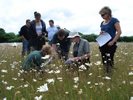
Culm Advisory Group witnesses progress at grassland demonstration farm (Ref: DWT 13 July 2010)
 |
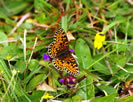
LANDFILL GIVES BUTTERFLIES A BOOST (Ref: 7th July 2010)
 |
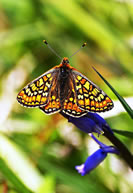
Good year for rare butterfly numbers at charity's north Devon reserves (Ref: DWT 16 June 2010)
 |
UNIQUE NATURE RESERVE OPENS FOR SPECIAL WALKS (Ref: DWT 7 June 2010)
 |
WILDLIFE CHARITY PHOTO COMPETITION WINNERS ANNOUNCED (Ref: DWT 25 May 10)
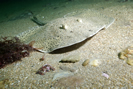 |
Devon Wildlife Trust's has this week announced the winners of its popular annual wildlife photographic competition.The winner of the adult category was Sally Sharrock of Wembury with a close up of a blonde ray taken at Wembury, near Plymouth. On winning the 1st prize Sally said: "The picture was taken on a Seasearch dive in Wembury Bay. We had surveyed the reef called Porchopen Shoal and I moved down onto the sand to look for life in the sediment and saw the ray sitting there. It allowed me to come fairly close for a couple of shots before I moved back and left it undisturbed. Shortly after, we also found a matching eggcase on the beach." 2nd prize went to Robert Gill of Barnstaple with his study of ferns taken at DWT's Uppacott Wood nature reserve. The Under 7's winner was a photo of a buzzard feather taken at DWT's Bovey Heathfield nature reserve, Under 11's was a photo of Exmoor ponies at Meshaw Moor and the Under 16's was a photo of a moorhen with chicks. The photos, which had to be taken at one of the charity's nature reserves, were judged by a panel of volunteers who were very impressed by the overall quality of the entries. Competition organisers and DWT volunteers Sandra Wills and Miriam Thomas said: "The photos show some of the fantastic wildlife that can be seen on Devon Wildlife Trust's nature reserves. The best photos will be displayed at DWT's Wildlife Festival in Plymouth on 5 June so come and have a look!" Tozers, Rok, Williams De Broe and Eggesford Garden Centre were the sponsors. Photo: Competition Winner Blonde Ray by Sally Sharrock - visit www.devonwildlifetrust.org to view all photos
GRAZING RETURNS TO NEGLECTED GRASSLAND SITE THANKS TO CHARITY GRANT SCHEME (Ref: 25 May 2010)
 |
LOCAL COMPANIES HELP BOOST BIODIVERSITY (Ref: DWT 19 May 2010)
This month two local businesses have become corporate supporters of a local wildlife charity, showing that even in tough economic times it is still vital to invest in the environment. Both Devon & Cornwall Housing Group and Evergreen Gardens (based in Chulmleigh) have signed up to membership of Devon Wildlife Trust's Corporate Supporters Scheme. Cat Loudwill, Corporate and Community Relations Officer from Devon Wildlife Trust, said: 'We are delighted to be working closely with these companies. Along with the financial support to DWT, both companies are providing their clients with special offers such as reduced membership of the Trust and deals on trays of wildflower plugs. We are so encouraged to know that even when many companies are considering cutting back, smart thinking organisations know that a healthy environment not only benefits wildlife but also reaps rewards for people too.' For more information about the charity's Corporate Supporters Scheme visit www.devonwildlifetrust.org
Landing facilities delay Severn Link service between Ilfracombe and Swansea Click here to read full press release
Severn Link Press Release Thursday 6 May 2010
Ferry operator Severn Link has completed the two vessel deal with ferry operator Wightlink, taking ownership of the 'FastCat Ryde' which will service routes across the Bristol Channel as from this year. The 34 knot Kvaerner 'FlyingCat' passenger catamaran, which carries up to 360 passengers, has now undergone exterior renovations and repaint and will shortly join its sister ship, the former 'FastCat Shanklin', in Swansea, paving the way for the first modern regular ferry service to link the shores of North Devon and South Wales due to commence this spring. The first ferry, which is currently completing an extensive interior refit in the docks at Swansea's SA1, has been the focus of much public interest, with crowds of people turning out earlier this year to watch it make a brief appearance at Ilfracombe on its way from Portsmouth to its new home in Swansea. The completion of the purchase of the second vessel signals a landmark moment for Severn Link, which is now finalising a series of routes to roll out through 2010. Geoff Metcalf, Managing Director of Severn Link, said, "We are very happy to shortly be able to introduce the second 'FlyingCat' to her new home in South Wales. This is the next major step in being able to commence regular Bristol Channel crossings with a fun, fast and affordable ferry service which will make travelling from the South West of England to South Wales much easier than ever before." Severn Link is currently on the countdown to announce a launch date for the first route to cross from Ilfracombe to South Wales. Schedules, pricing and booking information will shortly be available on www.severnlink.com and through its online Facebook and Twitter channels. Latest Ferry News: 9th June Landing facilities delay Severn Link service between Ilfracombe and Swansea Click here to read full press release
WOODLAND NATURE RESERVE OPENS FOR SPECIAL WALKS (Ref: DWT 28 /4/ 2010)
sm.jpg) |
CHARITY ACQUIRES CULM GRASSLAND FOR NEW RESERVE (Ref: DWT 26 April 2010)
 |
Charity launches appeal to help train the next generation of conservationists. (Ref: DWT 6 March 2010)
A local charity has this month launched an appeal to raise funds to train full time volunteers to help conserve Devon's most precious wildlife havens.The Devon Wildlife Trust (DWT) is asking local people to help support its new estate team. The first group of three volunteers joined the Trust inOctober, and they have been working hard over the winter season improvingsome of the county's best wildlife sites. Each week they are put through their paces, learning how to manage a range of habitats such as heathland, woodland or rare Culm grassland, and they are already making a huge difference. Edric Hopkinson, the DWT Reserves Officer responsible for overseeing their training said "Managing our nature reserves to benefit wildlife can be a really challenging task. Our Reserves Officers have really benefitted from the additional support provided by our enthusiastic volunteers. It's a win-win situation - they are helping us to get our wildlife sites in top condition and we are helping to train the reserves officers of the future." It costs about £12,000 to equip, train and support the estate team each year - the money raised will help pay for our volunteers to gain licenses to use specialist tools and machinery which they use to manage the sites. Anybody wishing to donate can do so online at www.devonwildlifetrust.org or by calling Devon Wildlife Trust on 01392 279244.
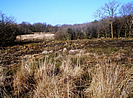
Winter wildlife work completed despite bad weather (Ref: DWT 18 March 2010)
 |
ICE CREAM COMPETITION LAUNCHED TO HELP AID WILDLIFE (Ref: DWT 19th Feb 2010)
 |
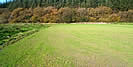
GREEN SHOOTS OF RECOVERY FOR NATURE RESERVE (DWT 23 Feb 2010)
 |
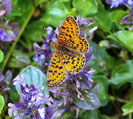
COURSES FOR EVERYBODY(Ref: Yarner Trust 18th February 2010)
 |
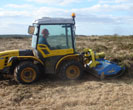
FARMER GETS FIRST GO ON CONSERVATION CHARITY'S NEW KIT (Ref DWT 16 February 2010)
 |
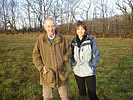
CHARITY COMMISION CHAIR VISITS CRICKLEPIT MILL (Ref: DWT 27th January 2010)
 |
DEVON DORMICE GO NUTS OVER FUNDING BOOST (Ref: DWT 26 Jan 2010)
Devon Wildlife Trust (DWT) has just received funding to help with conservation work to improve the lot of dormice at a number of its nature reserves. The £4986 grant from the Pennon Environment Fund will help the charity's reserve officers to implement and enhance coppicing regimes at its Andrew's Wood, Lady's Wood, Scanniclift Copse, Sourton Quarry and Dunsford nature reserves in the coming months. Dormice thrive in woodland with hazel coppice, as one of their staple foods is the hazelnut. An autumn diet of these helps keep them sufficiently plump to survive their annual winter hibernation. Although dormice are also found in hedgerows and other habitats, these Devon Wildlife Trust nature reserves are known to be some of their most important and protected strongholds. DWT's Reserve Officer Jackie Gage said: 'The money will help pay for our time on the reserve coppicing the hazel trees so that they are kept in the best possible condition for the populations of dormice. By allowing more light into the woodlands, these activities will allow denser and more species-rich understoreys to develop. This in turn will increase the amount of food and cover available to dormice throughout the seasons when they are active." Over the coming months the dormice on the sites will be monitored using nest boxes and nest tubes which will be put up at the sites with the help of volunteers. This part of the project has also been paid for using some of the grant money. Jackie added: "It's important that we continue to monitor populations in Devon, particularly as we are the Biodiversity Action Plan lead partner for the species. We cannot continue this important work without the volunteer and financial support which this funding gives us." Pennon Group is the parent group of Viridor Waste Management and South West Water and through its Environment Fund supports environmental and social improvement projects across the region and nation. For more information about DWT's reserves and how you can help visit www.devonwildlifetrust.org
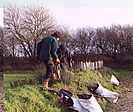
HISTORIC HEDGES RESTORED AT NATIONAL NATURE RESERVE (Ref: DWT 6 January 10)
 |
The
Tarka Trail Toy Story - broadcast
in December.
Tune into BBC2 on Sunday 25th December, please check BBC programming schedule) to see the story of James May's most audacious Toy Story challenge - the building of a 10 mile Hornby model railway along the Tarka Trail between Barnstaple and Bideford. After successes with Meccano Bridges, Plasticine gardens and Scalextric race tracks, it seemed the success of the 10 mile model railway was inevitable. Unfortunately the train did not complete its journey and after almost 12 hours of effort it fell short of reaching Bideford Station by three miles.
But that is not the whole 'Toy Story'.
Many hundreds of volunteers and model railway enthusiasts will remember the day fondly. A community coming together to help meet a challenge motivated by that strange British compulsion to attempt the seemingly impossible and some might say the barking mad. OK, along the way there was some vandalism but there is no getting away from the fact that some 400 volunteers gave their all to the cause. Many hundreds more came along to support the effort, cheering as the tiny trains and its weary owners made their way slowly past. Like James and the host of volunteers that helped on the day, we should continue to celebrate our world class environment that is recognised by the United Nations as a Biosphere Reserve and explore it on the Tarka Trail, Coast Path or by rail on the Tarka Line. Inspired communities that understand the value of the environment around them and take action to sustain it into the future are the very essence of what North Devon's UNESCO Biosphere Reserve is about. The Toy Story programme shows us much more than just a missed goal. It shows us the real value of communities working together.
James May's Toy Story World record attempt on the Tarka Trail was filmed for the BBC on location in northern Devon in August 2009
Surf School helps track down South West's Cetaceans (Ref: DWT 16/11/2009)
The UK's first British Surfing Association Level 4 approved surf school has signed up to help listen out for porpoises off the north Devon Coast. Surf South West, based in Croyde, has teamed up with the Devon Wildlife Trust (DWT) to monitor populations of cetaceans to help the charity to gather information about porpoise and dolphin behaviour in the area and compare it with recorded sightings to help to build a better picture of their numbers and habits in north Devon waters. The project utilises a device called a T-Pod (Timing Porpoise Detector) which scans and records sounds made by cetaceans from a number of locations off the north Devon coast. Darren Burrett, Managing Director of Surf South West said: "Surf South West has recently become a corporate supporter of Devon Wildlife Trust and our contribution to DWT will be directly assisting funding of this project." Surf South West is committed to reducing its carbon footprint, acting in a sustainable way and encouraging others to act similarly. They already include information on the local wildlife and environment as part of their surf lessons and are currently awaiting accreditation from the Green Tourism Business Scheme. DWT's Corporate Relations Officer Cat Loudwill said: 'It is great to have direct support for this exciting project which has been revealing interesting results over the past few years. We hope we will now be able to continue to find out exactly where porpoises spend their time in seas around north Devon. In turn, this will help us help direct our future conservation effort." Darren Burrett recently joined staff from DWT on one of the fishing boats to observe the retrieval of the T-Pods in order that the data can be collected and assessed. Despite heavy seas, both T-Pods were successfully recovered and the data will be analysed and the results published in due course. (Photo: Lauren Davis from DWT and Darren Burrett from Surf School SW collect the T-Pod)
WILDLIFE CHARITY WELCOMES NEW BILL SET TO TRANSFORM MARINE ENVIRONMENT (Ref DWT 3 November 09
Devon Wildlife Trust (DWT) is today celebrating the granting of Royal Assent for the Marine Bill which is set to radically transform the way the country manages its seas. The charity, along with other organisations, has been campaigning for decades for better regulation of the marine environment so today's news marks a significant step towards creating 'Living Seas' around the region's coasts. Devon Wildlife Trust's Senior Marine Advocacy Officer Richard White said: 'This is wonderful news. With measures to improve nature conservation in our seas, the Marine Bill will provide a significant and much needed step-change in how we manage the waters around our island. It will place new conservation duties on inshore fisheries management, introduce joined-up decision making through marine spatial planning and streamline marine licensing,' 'However this is just the start of what will be a long process to reach a
stage where we can say that the UK's seas are truly managed in a sustainable way. It's now important that we work closely with projects
such as Finding Sanctuary, here in the Westcountry, to swiftly establish a coherent network of marine protected areas.' DWT's members have played a significant part in campaigning for the Bill. Thousands of Devon people signed a petition to make sure the Bill came
into effect. Paul Gompertz DWT's Director said: 'We would like to thank all of our members, volunteers and supporters for playing their part signing petitions, writing to MPs and attending lobbies in Westminster. All these activities helped bring about this huge change in our relationship with the seas around us. We know that in the past these seas teemed with life and that, special though it is, the marine life we see today is just a shadow of its former self. This new legislation gives us the tools to rebuild our 'Living Seas', to restore them to their former glory, for the benefit of us all. Let us use them wisely.'
NEW SCHEME HELPS YOUNG PEOPLE INTO CONSERVATION (Ref DWT 4 November 2009)
Three trainees have this month joined
a new scheme run by a local wildlife charity which aims to help
young people into jobs within the conservation sector, whilst
providing essential on the ground support for the charity's nature
reserve management. The three new trainees will join Devon Wildlife
Trust's nature reserves officers for a minimum of six months.
They have been provided with free accommodation at the charity's
Woodah Farm in the Teign Valley. They will also receive a range
of professional training such as first aid, chainsaw and brushcutter
use, along with the other essentials skills required to become
the estate workers of the future. The new team have already been
put through their paces at a number of DWT's nature reserves helping
with woodland management at Halsdon, near great Torrington, and
scrub management for butterflies at Hawkswood, near Honiton. One
of the new team, Liz Fishbourne, said: "I'm loving it
already, the Devon Wildlife Trust has such a variety of habitats
to manage for wildlife. I should get a fantastic understanding
and experience of practical habitat management through the scheme".
DWT's Edric Hopkinson who is looking after the new recruits said:
"This new scheme is a great way for young people with
conservation qualifications, but without on the ground experience,
to find a job with one of the region's conservation organisations.
Being able to offer free accommodation has made it all the more
appealing for them. They also provide essential extra hands to
help with the many jobs on our reserves, keeping them in the best
possible condition for the wildlife that thrives on them."
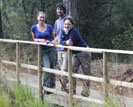
Photo: DWT Reserve vols - Liz Fishbourne Jon Cade and Vickie Frith.
NATIONAL GRAZING CONFERENCE HAILED AS GREAT SUCCESS FOR REGION (Ref: DWT 12 October
Tune into BBC2 on Sunday 25th December, please check BBC programming schedule) to see the story of James May's most audacious Toy Story challenge - the building of a 10 mile Hornby model railway along the Tarka Trail between Barnstaple and Bideford. After successes with Meccano Bridges, Plasticine gardens and Scalextric race tracks, it seemed the success of the 10 mile model railway was inevitable. Unfortunately the train did not complete its journey and after almost 12 hours of effort it fell short of reaching Bideford Station by three miles.
But that is not the whole 'Toy Story'.
Many hundreds of volunteers and model railway enthusiasts will remember the day fondly. A community coming together to help meet a challenge motivated by that strange British compulsion to attempt the seemingly impossible and some might say the barking mad. OK, along the way there was some vandalism but there is no getting away from the fact that some 400 volunteers gave their all to the cause. Many hundreds more came along to support the effort, cheering as the tiny trains and its weary owners made their way slowly past. Like James and the host of volunteers that helped on the day, we should continue to celebrate our world class environment that is recognised by the United Nations as a Biosphere Reserve and explore it on the Tarka Trail, Coast Path or by rail on the Tarka Line. Inspired communities that understand the value of the environment around them and take action to sustain it into the future are the very essence of what North Devon's UNESCO Biosphere Reserve is about. The Toy Story programme shows us much more than just a missed goal. It shows us the real value of communities working together.
James May's Toy Story World record attempt on the Tarka Trail was filmed for the BBC on location in northern Devon in August 2009
Surf School helps track down South West's Cetaceans (Ref: DWT 16/11/2009)
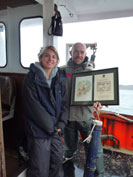 |
The UK's first British Surfing Association Level 4 approved surf school has signed up to help listen out for porpoises off the north Devon Coast. Surf South West, based in Croyde, has teamed up with the Devon Wildlife Trust (DWT) to monitor populations of cetaceans to help the charity to gather information about porpoise and dolphin behaviour in the area and compare it with recorded sightings to help to build a better picture of their numbers and habits in north Devon waters. The project utilises a device called a T-Pod (Timing Porpoise Detector) which scans and records sounds made by cetaceans from a number of locations off the north Devon coast. Darren Burrett, Managing Director of Surf South West said: "Surf South West has recently become a corporate supporter of Devon Wildlife Trust and our contribution to DWT will be directly assisting funding of this project." Surf South West is committed to reducing its carbon footprint, acting in a sustainable way and encouraging others to act similarly. They already include information on the local wildlife and environment as part of their surf lessons and are currently awaiting accreditation from the Green Tourism Business Scheme. DWT's Corporate Relations Officer Cat Loudwill said: 'It is great to have direct support for this exciting project which has been revealing interesting results over the past few years. We hope we will now be able to continue to find out exactly where porpoises spend their time in seas around north Devon. In turn, this will help us help direct our future conservation effort." Darren Burrett recently joined staff from DWT on one of the fishing boats to observe the retrieval of the T-Pods in order that the data can be collected and assessed. Despite heavy seas, both T-Pods were successfully recovered and the data will be analysed and the results published in due course. (Photo: Lauren Davis from DWT and Darren Burrett from Surf School SW collect the T-Pod)
WILDLIFE CHARITY WELCOMES NEW BILL SET TO TRANSFORM MARINE ENVIRONMENT (Ref DWT 3 November 09
Devon Wildlife Trust (DWT) is today celebrating the granting of Royal Assent for the Marine Bill which is set to radically transform the way the country manages its seas. The charity, along with other organisations, has been campaigning for decades for better regulation of the marine environment so today's news marks a significant step towards creating 'Living Seas' around the region's coasts. Devon Wildlife Trust's Senior Marine Advocacy Officer Richard White said: 'This is wonderful news. With measures to improve nature conservation in our seas, the Marine Bill will provide a significant and much needed step-change in how we manage the waters around our island. It will place new conservation duties on inshore fisheries management, introduce joined-up decision making through marine spatial planning and streamline marine licensing,' 'However this is just the start of what will be a long process to reach a
stage where we can say that the UK's seas are truly managed in a sustainable way. It's now important that we work closely with projects
such as Finding Sanctuary, here in the Westcountry, to swiftly establish a coherent network of marine protected areas.' DWT's members have played a significant part in campaigning for the Bill. Thousands of Devon people signed a petition to make sure the Bill came
into effect. Paul Gompertz DWT's Director said: 'We would like to thank all of our members, volunteers and supporters for playing their part signing petitions, writing to MPs and attending lobbies in Westminster. All these activities helped bring about this huge change in our relationship with the seas around us. We know that in the past these seas teemed with life and that, special though it is, the marine life we see today is just a shadow of its former self. This new legislation gives us the tools to rebuild our 'Living Seas', to restore them to their former glory, for the benefit of us all. Let us use them wisely.'
NEW SCHEME HELPS YOUNG PEOPLE INTO CONSERVATION (Ref DWT 4 November 2009)
 |
NATIONAL GRAZING CONFERENCE HAILED AS GREAT SUCCESS FOR REGION (Ref: DWT 12 October
 |
LANDOWNERS TO GAIN FREE NVZ HELP (DWT 2 October 2009)
Devon Wildlife Trust (DWT) is running a free workshop this month to help local landowners get to grips with new regulations connected to what are known as Nitrate Vulnerable Zones (NVZ's). The course will cover the key issues of the NVZ regulations including storage of livestock manures, risk maps, record keeping, closed periods and field application of both organic manures and manufactured fertilisers.The event is open to any farmer or landowner who is seeking help. The paper based course will be held on Thursday 22 October 2009 from 11:30am until 3pm at Pancrasweek. Lunch is provided. Numbers are limited so booking is essential. The events are being run by DWT's Working Wetlands Project. The project, which began last summer, is restoring, re-creating and reconnecting large areas of Culm Grassland across North Devon. Working Wetlands Project Officer Marie Butterfield said: "Some landowners are unaware that their holdings are within an NVZ. Although NVZ's can create a complex challenge to some landowners, hopefully the regulations will encourage better use of manures and fertilizers leading in turn to improved water quality in local rivers. We hope these sessions will make the process a lot easier for local landowners." For more information about the event and to book a place on the course call the Working Wetlands Project team on 01409 221823. Working Wetlands has been supported by the Tubney Charitable Trust, South West Water, Devon Waste Management, Grantscape, Natural England, Environment Agency and Devon County Council.
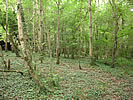
COPPICING ROCKETS BACK TO NORTH DEVON RESERVE (Ref DWT 1 October 2009
 |
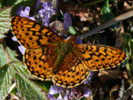
RARE BUTTERFLIES BENEFIT FROM FUNDING BOOST (Ref: DWT 28 Aug 2009)
 |
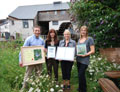
HOLIDAY FIRM HELPS TO GROW REGION'S CHARITIES (Ref: DWT 16 Aug 2009)
 |
NATIONAL GRAZING CONFERENCE COMES TO DEVON (DWT Ref 30 July 2009)
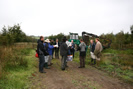
This autumn the Grazing Advice Partnership (GAP) and the Devon Wildlife Trust (DWT) are co-hosting a three-day conference at the University of Exeter on the theme of 'Re-connecting fragmented landscapes'. The conference is being held from 22-24 September and will feature presentations from leading farmers, conservationists and farming commentators including Graham Harvey, The Archers agricultural storey editor and author of 'Carbon Fields' and 'We Want Real Food'. Graham will present his views on how farming can be rebuilt to prepare for the challenges of climate change. All aspects of grazing with the environment in mind will be covered from restoring and re-creating much loved wildlife-rich landscapes, to soil conservation and the use of rare and native breeds of animals. Peter Burgess, DWT's Working Wetlands Project Manager is helping to organise the event, he said: "This conference offers a great opportunity for farmers and conservation managers to get together, share their experiences and build partnerships. Over the three days we will see how projects such as ours are leading the way in landscape scale conservation. It's one not to be missed." To find out more about the conference, visit www.grazingadvicepartnership.org.uk . To book a place on the conference, call 01392 260889 or email gapconference@devonwildlifetrust.org. Working Wetlands has been supported by the Tubney Charitable Trust, South West Water, The Environment Agency, Devon County Council, Devon Waste Management,
Grantscape and Natural England.
ONE SOLUTION FOUND FOR THREE RURAL PROBLEMS Ref DWT 24 July 2009
 |
SUMMER CALL TO SNAP DEVON WILDLIFE (Ref: DWT 8 July 2009)
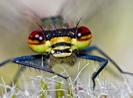 |
The timeless 1928 tale, Tarka the Otter, by acclaimed English author Henry Williamson, has inspired his son Harry to compose and perform a musical tribute to two distinctive ecological regions: North Devon, renowned for generations as "Tarka Country" and now the UK's first new style UNESCO Biosphere Reserve, and the Mornington Peninsula Biosphere Reserve in Victoria, southern Australia. Harry, who composed the Tarka symphony with former Genesis guitarist, Anthony Phillips, will be in Devon this September filming images for an Australian collaborative project 'Precious Music, Precious Water' - featuring the world premiere live performance of Tarka in 2010. The Tarka symphony, in three movements, follows the life cycle of an otter and the flow of water through the 'country of the two rivers', the precious North Devon landscape. "This collaborative project is a tribute to the outstanding natural beauty of these two very different biospheres. My main aim is to draw people's attention to the inestimable value of such areas," said Harry. "My father's magical descriptions of the natural world have opened the eyes of so many to the beauty of England's West Country. I hope our music continues to inspire more generations of people, around the globe." "Rivers link the countryside to the coast and sea. The borders of North Devon's Biosphere Reserve are largely defined by river catchments and Harry's work reminds us all of the importance of water and its role in our culture and heritage. We hope that the Tarka symphony can be heard in the Biosphere Reserve in the near future" continues Andy Bell, North Devon's Biosphere Reserve Coordinator. Click Here to hear an extract from the symphony at the North Devon Biosphere Web Site. Please contact Matt Edworthy (Biosphere Reserve Outreach Coordinator) on 01237 423655 for further details.
LANDOWNERS TO GAIN FREE NVZ
ASSISTANCE (DWT Ref 18/6/09)
Devon Wildlife Trust (DWT) is running three free training events next month to help local landowners to complete their Nitrate Vulnerable Zones (NVZ's) forms. The course will cover the key issues of the NVZ forms including storage of livestock manures, risk maps, record keeping, closed periods and field application of both organic manures and manufactured fertilisers. Although events are being held within the project's Knowstone & Witheridge and Tamar & Torridge priority areas, they are open to any farmer or landowner who is seeking help. The paper based courses will be held on Wed 1 July and Thurs 16 July and the computer based course will be held on Wed 8 July. All sessions run from 11:30am until 3pm. Lunch is provided. Numbers are limited so booking is essential. The events are being run by DWT's Working Wetlands Project. The project, which began last summer, is restoring, re-creating and reconnecting large areas of Culm Grassland across North Devon. Working Wetlands Project Officer Marie Butterfield said: "Some landowners are unaware that their holdings are within an NVZ. Although NVZ's can create a complex challenge for some landowners, hopefully the regulations will encourage better use of manures and fertilizers leading in turn to improved water quality in local rivers. We hope these sessions will make the process a lot easier for local landowners." For more information about the event and to book a place on the course people should call the Working Wetlands Project Team on 01409 221823. Working Wetlands has been supported by the Tubney Charitable Trust, South West Water, Devon Waste Management, Grantscape, Natural England, Environment Agency and Devon County Council. For more press information from Devon Wildlife Trust contact David Ireland on 01392 260864 or call 07816 342229 * NVZs - Nitrate Vulnerable Zones have been designated across large areas of England as part of an EU-wide drive to reduce pollution from nitrates.
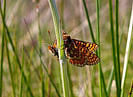
RECORD BUTTERFLY COUNT ON RESERVE ANNIVERSARY (DWT Ref 11June 09)
It has been a positive year for the extremely
rare and threatened marsh fritillary butterfly on a number of
Devon's best nature reserves this month with record numbers being
recorded at one. The Devon Wildlife Trust (DWT) has recorded over
430 marsh fritillaries at its Stowford nature reserve near Bideford,
providing an extra reason to celebrate the site's 10th anniversary.
The success has been partly put down to the careful management
of the Culm Grassland site. DWT's Senior Nature Reserves Officer
Gary Pilkington said: "The sunny weather has helped this
year but the good numbers have also been down to the particular
management regime we have fine tuned over the years including
periodic grazing, good scrub control by burning and the encouragement
of the butterfly's food plant the Devil's-bit scabious. It's great
news that after 10 years of hard work we are starting to see results
here at Stowford and thankfully the same techniques have resulted
in good counts at our other Culm reserves too. It's very difficult
to understand why this species is on the 'danger' list in other
parts of Great Britain as it readily responds to sensitive management."
Marsh fritillary butterflies appear on the wing from the end
of May each year until mid June. They lay their eggs in small
heaps on the underside of leaves of Devil's-bit scabious. After
hatching, the larvae spin a silken web on the leaves feeding only
on sunny days before going into hibernation in August or September.
For more information about the reserve visit www.devonwildlifetrust.org
Picture: Marsh fritillaries mating at Stowford
FIRST LANDOWNER BENEFITS FROM CHARITY GRANT SCHEME (DWT Ref 10th June09)
Devon Wildlife Trust has this month awarded
the first of its capital works grants to a local landowner in
North Devon. The awards form an important part of the charity's
Working Wetlands project. Lesley Prior from Westcott Farm in the
Rackenford area is the proud recipient and
has used the grant to install vital fencing to improve the management
of her site. The farm was selected as it fell within one of the
project's three target areas: Knowstone and Witheridge, Hollow
Moor and Torridge & Tamar headwaters. The fencing has enabled
Lesley to create separate fields within a larger area allowing
better overall management of the site and helping to protect key
habitats such as Culm grassland. It is hoped that this will reduce
the over-grazing and subsequent poaching by cattle, as well as
helping the rare habitat to spread along the farm's valley bottom.
Lesley farms Cashmere goats for their luxury fibre which she turns
into yarn. She is over the moon with the fencing as it will enable
her to show people what goats can really do for the Culm. Lesley
said: "Goats are browsers and not grazers and are able
to keep down invasive species while allowing rare Culm Grassland
treasures to flourish. The grant from DWT is helping us to help
wildlife, what more can I ask?" Devon Wildlife Trust's
Marie Butterfield oversaw the project. She said: 'Working Wetland's
first priority is to ensure wildlife rich habitats in the Culm
are well managed and this grant is a significant step towards
this goal. Our small grants initiative is set to help landowners
carry out capital works, enabling small awkward sites to be managed
more easily. This type of work is needed to save these sites from
abandonment, scrub encroachment and ultimately loosing the wildlife
rich grasslands to more common secondary woodland." Working
Wetlands has a total of £20,000 to give out each year. Landowners
with holdings of Culm Grassland within one of the target areas
and looking for support should contact the Working Wetlands team
at the Cookworthy office on 01409 221823. Working Wetlands has
been supported by the Tubney Charitable Trust, South West Water,
The Environment Agency, Devon County Council, Devon Waste Management,
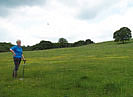
Grantscape and Natural England. Picture: Lesley Prior looks
out over her recently fence field
North Devon Coast Areas of Outstanding Natural Beauty (Ref AONB 5th June 09)
Exciting new projects on the North Devon Coast awarded grants.
North Devon Areas of Outstanding Natural Beauty Partnership are delighted to announce their latest grant awards. The North Devon Biosphere Foundation have been awarded £2,250 to organise a conference which will awareness of the special and unique landscapes and habitats of the North Devon Coast Areas of Outstanding Natural Beauty and North Devon's Biosphere Reserve. Pete Jollands of the Biosphere Foundation said "We are delighted to have been awarded funding from the North Devon Coast Areas of Outstanding Natural Beauty to run the first ever Marine & Coastal Education Conference in North Devon. The Conference will be for primary and secondary schools and it will focus on supporting and creating opportunities to learn about North Devon's unique and beautiful coastline. " Young people will also be given the opportunity to "Dance the North Devon Coast" this autumn. Appledore Arts have been awarded £5,000 to stage a community dance project in collaboration with 'Dance in Devon' they will hold workshops sessions with trained dance artists in local communities and schools around and the final performance will be help in Hartland in late September. Project leader Fiona Fraser-Smith said: "Appledore Arts and Dance In Devon are very pleased to be awarded funding from the North Devon Coast Areas of Outstanding Natural Beauty . The funding will enable us to develop a unique dance based event to launch a series of event to mark the 50th Anniversary of the designation of the North Devon AONB." If you have a project which will benefit the North Devon Coast and would like to apply for a grant please contact Gigha Berry 01237 423655 or Gigha.Berry@devon.gov.uk
Devon Wildlife Trust (DWT) is running three free training events next month to help local landowners to complete their Nitrate Vulnerable Zones (NVZ's) forms. The course will cover the key issues of the NVZ forms including storage of livestock manures, risk maps, record keeping, closed periods and field application of both organic manures and manufactured fertilisers. Although events are being held within the project's Knowstone & Witheridge and Tamar & Torridge priority areas, they are open to any farmer or landowner who is seeking help. The paper based courses will be held on Wed 1 July and Thurs 16 July and the computer based course will be held on Wed 8 July. All sessions run from 11:30am until 3pm. Lunch is provided. Numbers are limited so booking is essential. The events are being run by DWT's Working Wetlands Project. The project, which began last summer, is restoring, re-creating and reconnecting large areas of Culm Grassland across North Devon. Working Wetlands Project Officer Marie Butterfield said: "Some landowners are unaware that their holdings are within an NVZ. Although NVZ's can create a complex challenge for some landowners, hopefully the regulations will encourage better use of manures and fertilizers leading in turn to improved water quality in local rivers. We hope these sessions will make the process a lot easier for local landowners." For more information about the event and to book a place on the course people should call the Working Wetlands Project Team on 01409 221823. Working Wetlands has been supported by the Tubney Charitable Trust, South West Water, Devon Waste Management, Grantscape, Natural England, Environment Agency and Devon County Council. For more press information from Devon Wildlife Trust contact David Ireland on 01392 260864 or call 07816 342229 * NVZs - Nitrate Vulnerable Zones have been designated across large areas of England as part of an EU-wide drive to reduce pollution from nitrates.
RECORD BUTTERFLY COUNT ON RESERVE ANNIVERSARY (DWT Ref 11June 09)
 |
FIRST LANDOWNER BENEFITS FROM CHARITY GRANT SCHEME (DWT Ref 10th June09)
 |
North Devon Coast Areas of Outstanding Natural Beauty (Ref AONB 5th June 09)
Exciting new projects on the North Devon Coast awarded grants.
North Devon Areas of Outstanding Natural Beauty Partnership are delighted to announce their latest grant awards. The North Devon Biosphere Foundation have been awarded £2,250 to organise a conference which will awareness of the special and unique landscapes and habitats of the North Devon Coast Areas of Outstanding Natural Beauty and North Devon's Biosphere Reserve. Pete Jollands of the Biosphere Foundation said "We are delighted to have been awarded funding from the North Devon Coast Areas of Outstanding Natural Beauty to run the first ever Marine & Coastal Education Conference in North Devon. The Conference will be for primary and secondary schools and it will focus on supporting and creating opportunities to learn about North Devon's unique and beautiful coastline. " Young people will also be given the opportunity to "Dance the North Devon Coast" this autumn. Appledore Arts have been awarded £5,000 to stage a community dance project in collaboration with 'Dance in Devon' they will hold workshops sessions with trained dance artists in local communities and schools around and the final performance will be help in Hartland in late September. Project leader Fiona Fraser-Smith said: "Appledore Arts and Dance In Devon are very pleased to be awarded funding from the North Devon Coast Areas of Outstanding Natural Beauty . The funding will enable us to develop a unique dance based event to launch a series of event to mark the 50th Anniversary of the designation of the North Devon AONB." If you have a project which will benefit the North Devon Coast and would like to apply for a grant please contact Gigha Berry 01237 423655 or Gigha.Berry@devon.gov.uk
NORTH DEVON NATURE RESERVE'S
WOODLAND WORK COMPLETE (Ref DWT 7 May 2009)
 |
Devon Wildlife Trust
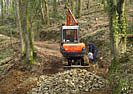
(DWT) has this month completed a major programme of woodland habitat
management at its Halsdon nature reserve near Dolton in North
Devon. Halsdon nature reserve is a 57 hectare Site of Special
Scientific Interest with mixed deciduous river valley woodland,
riverside meadows, marsh and a 2.4km length of the River Torridge.
The site has been owned by Devon Wildlife Trust since 1983. The
work sees the successful completion of the first year of an ambitious
ten year management plan for the site. It has been supported by
a grant of £17,210 from Natural England through Defra's
Aggregates Levy Sustainability Fund along with a contribution
from the English Woodland Grant Scheme. The project has focussed
on improving access around the site for the contractors to better
maintain the woodland in the future. The work has also included
the removal of some of the dense areas of holly which have been
shading out much of the ground flora. In some areas, parts of
the oak canopy have been thinned to encourage younger specimens
to grow, providing a more varied age structure. Devon Wildlife
Trust's Land Management Manager Matt Boydell said: 'It is great
to kick start the new ten year management plan for the site with
the successful completion of this work. We would like to thank
Defra's Aggregates Levy Sustainability Fund for supporting this
project as well as the groups of volunteers which have been out
on site over the last few weeks tidying up after the contractors.
We hope visitors will notice the difference over the next few
seasons with a greater profusion of bluebells carpeting the woodland
floor." For more information about DWT's nature reserves
visit www.devonwildlifetrust.org
GREEN HOLIDAY FIRM BOOSTS REGION'S
WILDLIFE (Ref DWT 29 April 2009)
 |
NORTH DEVON MARINE ORAL HISTORIES GO LIVE (DWT Ref 6th April 2009)
An oral history project in North Devon has this week gone live on the internet giving people the chance to find out about changes to marine and coastal wildlife in North Devon and Torridge within living memory. The project was set up by the Devon Wildlife Trust (DWT) and run by conservation group Coastwise North Devon. The group interviewed around 20 local residents from a wide range of occupations, interests and backgrounds. A selection of the oral histories has now been documented on the Devon Wildlife Trust website for people to download and listen to. Over 350 photographs and other material were also contributed to the project. Cat Jones, Marine Awareness Officer for north Devon said; "This venture has been a real success and even though the funding period has now come to an end Coastwise North Devon have enjoyed the experience so much they plan to develop the project further in the coming months. It has been fascinating to delve back into people's memories of what the seas around our coasts used to be like, even just a few decades ago! For example people can find out about the changes in birds and dolphins, the huge Clovelly herring catches that once took place and how driftwood was once used for fuel. If it wasn't for these types of projects the history of the seas might be lost forever and we would never know how rich our marine wildlife used to be and could be again." The information gathered will be used by DWT to put a local view on the national picture of the state of our seas outlined by Professor Callum Roberts of York University, in his book, The Unnatural History of the Sea. The book highlights the significant decline in marine species around the UK due primarily to human impacts. A selection of the recordings is now available on the charity's website and can be downloaded from www.devonwildlifetrust.org. The oral histories are part of Devon Wildlife Trust's 'Living Seas' project which has been funded thanks to a £6,000 grant from the North Devon AONB Sustainable Development Fund.
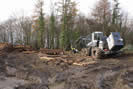
FOREST CLEARED TO CREATE CULM GRASSLAND (DWT Ref 23/2/09)
 |
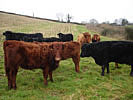
BOVINE
BOOST FOR CONSERVATION PROJECT (Ref DWT 4/2/09
 |
FLAGSHIP WOODLAND RESERVE GETS SPRUCE UP (Ref DWT 30/1/2009)
Devon Wildlife Trust (DWT) has this month begun a major programme of woodland habitat management at its popular Halsdon nature reserve near Dolton in North Devon. Halsdon nature reserve is a 57 hectare Site of Special Scientific Interest with mixed deciduous river valley woodland, riverside meadows, marsh and a 2.4km length of the River Torridge. The woodland is predominantly oak with a broad range of other species and rare trees such as the Devon whitebeam and wild service tree. The site has been owned by Devon Wildlife Trust since 1983 but due to funding constraints only limited woodland management work has been carried out since then. This work is the 1st year of an ambitious ten year management plan. The new series of restoration works is set to dramatically improve the situation and has been supported by a grant of £17,210 from Natural England through Defra's Aggregates Levy Sustainability Fund along with the English Woodland Grant Scheme. The work will focus on improving access around the site for contractors and visitors alike, removal of some of the beech trees and holly which are shading out much of the ground flora and thinning of the oak canopy. Devon Wildlife Trust's Land Management Manager Matt Boydell said: 'It is great to have the support from Defra's Aggregates Levy Sustainability Fund for this project. We have been wanting to get to grips with this reserve for a long time but we have lacked the funding needed to really get on top of the problem. The dense canopy has been hampering the growth of ground flora such as the bluebell which should be thriving on the slopes of the site. Although it might look quite a drastic change initially, given a few years the work will make a real and noticeable difference to the reserve for both people and wildlife.'
The support also includes funding for tools and training of volunteers to help them manage the site over the coming years. Matt added: "It's all very well doing all this work one year but without the support of our volunteer wardens and other keen volunteers all the work could be in vain. We hope with the new 10 year management plan now in place and extra support for our volunteers we can maintain and improve the wildlife diversity of Halsdon." For more information about DWT's nature reserves visit www.devonwildlifetrust.org
NB. The Aggregates Levy is a tax on the production of primary aggregates (sand, gravel and crushed rock used, for example, in the construction industry). Introduced in April 2002 part of the money raised is to fund the Sustainability Fund. This fund, the Aggregates Levy Sustainability Fund or ALSF, aims to address the environmental and social cost of aggregate extraction by delivering environmental improvements, minimising the demand for primary aggregates, promoting environmentally friendly extraction and transport, encouraging the use of recycled and alternative materials, and reducing the local effects of aggregate extraction. Natural England is one of a number of organisations selected by Defra to award Sustainability Fund grants for projects which reduce the effects of aggregate extraction. Natural England's ALSF Grant Scheme aims to support projects that reduce or research the effects of aggregate extraction on nature conservation, landscapes, access, informal recreation and communities. About Natural England Natural England is here to conserve and enhance the natural environment, for its intrinsic value, the wellbeing and enjoyment of people and the economic prosperity that it brings. Further information about Natural England's Aggregates Levy Sustainability Fund Grants Scheme can be found on www.naturalengland.org.uk. The ALSF grants team can be contacted on 01476 584 821
WILDLIFE CHARITY PHOTO COMPETITION WINNERS ANNOUNCED ( DWT ref 19/1/09
|
NORTH DEVON BUSINESSES HAVE SAY OVER NEW MARINE CONSERVATION ZONES (Ref DWT 12 Jan 2009)
A conservation charity is this month inviting local businesses to attend workshops to find out what the plans for the future of the area's marine environment will mean for their companies. The workshops are being run by Devon Wildlife Trust and are funded by the North Devon Area of Outstanding Natural Beauty's Sustainable Development Fund. They are being held on 24 January in Braunton and 31 January in Hartland and are open to anyone with an interest in the issue. The aim of the sessions is to give people an opportunity to find out more about Marine Conservation Zones (MCZs), part of the Government's upcoming Marine Bill, and the new marketing opportunities these areas will provide. People who attend will also be invited to contribute to the work of the Finding Sanctuary project which is responsible for determining the extent and locations of these MCZs. The Government has pledged to introduce the network of MCZs by 2012 and the charity says it is vital that everyone has the chance to voice their opinion so that the resulting networks of protection will have the support of as many users of the marine environment as possible. Cat Jones, DWT's Marine Awareness Officer for north Devon, said: "This is a really exciting time for everyone with an interest in conserving and promoting our amazing marine wildlife. The possibility of one these zones being located off the coast of north Devon provides a great opportunity for local business to market their environmental credentials, be it a local hotel with sea views or a tourist boat charter company." Anyone wishing to take part in the workshops should contact Cat Jones at Devon Wildlife Trust on 01409 221823 for more information. The workshops are part of Devon Wildlife Trust's 'Living Seas' project which has been funded thanks to a £6,000 grant from the North Devon AONB Sustainable Development Fund.
WILDLIFE TRUST'S LARGEST NATURE RESERVE GETS BIGGER (Ref DWT 7/1/2009)
 |
BIDEFORD
COMPANY COMMITS TO WILDLIFE CHARITY (Ref DWT
19/12/08
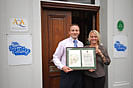
Bideford based SMA Mortgage Solutions
have this month received their Corporate Supporter certificate
from Devon Wildlife Trust after agreeing to help fund the
charity's conservation work. The company has become the
latest of nearly 100 businesses across the county to recognise
the important work that Devon Wildlife Trust does to protect
fragile local habitats and species. SMA Mortgage Solutions
will be working with the charity on a new affinity scheme
encouraging more people to leave a lasting legacy to Devon
Wildlife Trust. Andrew Mackenzie-Shapland, a Director from
the company said: 'We are delighted to support the Devon
Wildlife Trust through their Corporate Supporter scheme
and we look forward to raising the profile of The Trust
with our clients and associates in 2009 and beyond.'
The charity's Corporate Supporters Scheme is run by Devon
Wildlife Trust's Tracy Ebbrell. She said: 'The scheme
has been running for seven years. In that time it has gone
from strength to strength. It is great that SMA Mortgage
Solutions have agreed to support our work and it shows how
even in a difficult economic climate companies are still
willing to help protect their local environment.' For
more information about becoming a Corporate Supporter call
Tracy Ebbrell on 01392 279244 or visit www.devonwildlifetrust.org
ANOTHER FIRM SIGNS UP TO WILDLIFE CHARITY'S NEW ALTERNATIVE TO CARBON OFFSETTING DESPITE DOWNTURN (Ref 17/12/08)
Wildlife Charity Devon Wildlife
Trust (DWT) based at Cricklepit Mill, Exeter has this week
signed up another corporate supporter to its new alternative
to carbon offsetting. Pipex Ltdbased in Plymouth, Devon
have donated £6,000 to the charity's new Carbon Compensation
scheme rather than investing in a conventional carbon offset
scheme. Carbon Compensation is a new way for businesses
to help demonstrate their commitment to making a difference
to the environment and climate change by investing in long
term local projects. One of the main initiatives to benefit
will be the charity's Working Wetlands project that aims
to restore the wet Culm Grasslands of North Devon. These
are some of the rarest and most vital habitats in the country
and as well as supporting a range of species also act as
effective carbon sinks. Tracy Ebbrell, DWT's Corporate Relations
Officer said: "We are delighted that Pipex Ltd have
recognised the value in supporting the work of the Devon
Wildlife Trust. It is critical that we hold on to the carbon
sinks in the region such as our Culm Grasslands. It is estimated
that by the middle of this century emissions from losing
wetlands and peat bogs could be as big a source of C02 to
the atmosphere as burning fossil fuels. It is also good
to see that in the current economic climate businesses are
still committed to protecting the environment."
Pipex Ltd, Established in 1975, manufacture and install
corrosion resistant thermoplastic and composite pipe systems
and structures. Sarah Raynor, Marketing Director from Pipex
Ltd said: "Pipex are very pleased to have joined
the Devon Wildlife Trust as a corporate supporter. It has
always been the Pipex ethos to protect the environment and
DWT have offered us guidance on the best methods for doing
this. The Carbon Compensation scheme is especially relevant
to Pipex as a manufacturer, and we are dedicated to offering
long term support in preserving the Wetlands." Earlier
in the year north Devon business, Farm and Cottage Holiday's
also joined the scheme. Devon Wildlife Trust is keen for
other businesses to commit to Carbon Compensation, a local,
long term and effective alternative to a standard offset
scheme. For more information about Carbon Compensation call
Tracy Ebbrell on 01392 260858 or email tebbrell@devonwildlifetrust.org
NATIONAL NATURE RESERVE EXPANSION A BUTTERFLY BOOST (Ref DWT 11/12/08)
Devon Wildlife Trust
(DWT) has this month completed the purchase of 19 hectares
of grassland adjoining its popular National Nature Reserve
at Dunsdon near Holsworthy in north Devon. The land
acquisition adjoins the west end of the reserve and will
provide extra habitat for many rare species of plants and
insects. The site was originally bought by DWT in 2000 and
was 57 hectares in total. It is known to be one of the best
examples of Culm Grassland in the county. The purchase is
part of the charity's five year Working Wetlands project
and has been made possible thanks to support from Grantscape
who are funding much of the restoration and expansion of
existing Devon Wildlife Trust nature reserves in the area.
Devon Wildlife Trust's Working Wetlands project is the charity's
biggest, most ambitious project to date and covers an area
of 65,000 hectares across northern Devon. The project aims
to restore, re-create and reconnect large areas of Culm
Grassland. A staggering 95% of this rare habitat has been
lost since the beginning of the 20th Century, mainly through
changes in agriculture. DWT's Land Management Manager Matt
Boydell said: "This is the first purchase we have
made as part of the Working Wetlands project so it is exciting
to get started on improving and expanding our Culm Grassland
nature reserves. We hope with careful management the new
area will revert to Culm within a few years and provide
vital habitat for the rare species that make the site their
home. This includes the threatened marsh fritillary butterfly
which thrives elsewhere on Dunsdon. It is important for
us to expand our nature reserves to make sure they are robust
enough to cope with external factors that could put them
at risk such as climate change." The site is open
to the public all year round and is also accessible via
the Bude canal towpath route.
PUBLIC ENCOURAGED TO REPORT STRANDED MARINE ANIMALS (Ref DWT 8/12/08
With the start of December and
the onset of winter storms, Devon and Cornwall Wildlife
Trusts are expecting an increased number of dead marine
animals stranding along the region's coastline. The charities
are once again urging the public to report any sightings
to them so that the phenomenon can be more closely monitored.
Devon and Cornwall Wildlife Trusts would like to know of
any species of stranded marine animal. They have been recording
trends for many years, building up a good picture of the
types of species washed up and likely causes of the problem.
If people come across a marine stranding in Devon they should
contact the Devon Biodiversity Records Centre on 01392 274128.
When reporting a stranding out of office hours, the public
are encouraged to leave a message on the answerphone with
details including their name and contact number, date and
time of the sighting, species (if known) and as much detail
of its location as possible. Stranded marine animals in
Cornwall should be reported immediately to the Cornwall
Wildlife Trust Marine Stranding Network on their 24 hour
Hotline number: 0845 201 2626. The Hotline is covered every
day of the year. More information about the Strandings Network
can be found at www.cwtstrandings.org Lauren Davis from
the Devon Biodiversity Records Centre said: "In
the past we have seen an increase in dolphin strandings
over the winter period so it is important the public are
on the look out now and call us as soon as they come across
one. We need as many eyes out there as possible. We do have
volunteers who help us, but it is difficult to monitor all
the beaches in the South West without the public's help."
The charities will always try to get a trained volunteer
out to as many strandings as possible to record details
about the species and exact location. Lauren added: "Recording
stranded animals provides us with information about the
marine environment and the health of marine creatures. This
information is vital in helping us to conserve our marine
wildlife and cannot be learnt just from studying live animals.
If we catch strandings in time, they can be sent off for
post mortem examination from which we can learn about causes
of death, distribution, diet, diseases and the effects of
pollution."
LOCAL PEOPLE INVITED TO HAVE SAY OVER NEW MARINE CONSERVATION ZONES (Ref DWT 2711/08)
A conservation groups is calling
for local people to come and have their say on what the
future of the area's marine environment should be. This
winter, Devon Wildlife Trust's will be hosting a series
of workshops open to anyone with an interest in the issue.
The workshops, which are being funded by the North Devon
Area of Outstanding Natural Beauty's Sustainable Development
Fund, will give an opportunity for people to find out more
about Marine Conservation Zones (MCZs), part of the Government's
upcoming Marine Bill. People will also be invited to contribute
to the work of the Finding Sanctuary project which is responsible
for determining the extent and locations of these MCZs.The
Government has pledged to introduce the network of MCZs
by 2010 and it is vital that everyone has the chance to
voice their opinion so that the resulting networks of protection
will have the support of as many users of the marine environment
as possible.Cat Jones, DWT's Marine Awareness Officer for
north Devon, said: "This is a really exciting time
for everyone with an interest in conserving our amazing
marine wildlife. Finding Sanctuary, the project responsible
for identifying areas for protection, is undertaking full
stakeholder participation. This means that individuals and
groups such as dive clubs and anglers can have their say
in deciding which areas of our seas should be protected."
Any groups wishing to receive a presentation on marine
conservation or take part in future workshops to be held
in January should contact Cat Jones at Devon Wildlife Trust
on 01409 221823 for more information. Devon Wildlife Trust's
'Living Seas' project has been funded thanks to a £6,000
grant from the North Devon AONB Sustainable Development
Fund.
WILDLIFE CHARITY LAUNCHES APPEAL TO SAVE RARE HABITAT (Ref DWT 17/10/08)
Devon Wildlife Trust (DWT) is this month launching an appeal to raise £20,000 to help secure the wildlife rich grasslands in North Devon. The appeal, which has gone out to existing Devon Wildlife Trust members this week, will help to fund the charity's new five year restoration project - 'Working Wetlands'. Devon Wildlife Trust's Working Wetlands project is the charity's biggest and most ambitious project to date and covers an area of 65,000 hectares across northern Devon. The project aims to restore, re-create and reconnect large areas of this rare Culm Grassland habitat. A staggering 95% has been lost since the beginning of the 20th Century, mainly through agricultural improvement. Project Manager, Peter Burgess, said: "Donations to this project will help us restore this amazing habitat which supports many rare species of flowers and insects along with more well known creatures such as curlew and barn owls. We are encouraging people to help us buy key tracts of land, restore and re-create wildlife habitats, and rebuild continuous swathes of the landscape that made northern Devon famous." To donate to the appeal, visit www.devonwildlifetrust.org and click on 'Helping Us' or call DWT on 01392 279244. All donations will help to match fund the grants already received from the Tubney Charitable Trust, South West Water, Devon Waste Management, Grantscape, Natural England, Devonshire Motors and Farm & Cottage Holidays
Discovering Devon's beauty has never been easier Ref:1/9/08
North and South Devon Areas of Outstanding Natural Beauty have joined forces to produce a number of themed trails to enable people to discover some of the county's hidden gems. The eight trails are grouped into cultural themes; Man and the Landscape, Trade and Settlement, Coast in Conflict, and A Colourful Landscape. The trails are designed to cater for all abilities and range from a casual stroll to a strenuous 6-mile hike. Matthew Hensby from the AONB says, "Walking is undoubtedly the best way to experience and explore the countryside. It allows you to take in the sounds, smells and tranquilly like nothing else. Walking enables you to explore off the beaten track, climb to the most remote vantage points, and revel in the best of the Devon's landscapes and wildlife. Our project with the South Devon AONB was designed to encourage people to do just that, explore, experience and enjoy some of the best countryside in Britain, and for many it's just outside their font door!" Dave Edgcombe, AONB Project Officer continues "We are extremely happy with how the trails have turned out and would like to acknowledge the support of both the Devon County Council and Natural England whose funding was vital to this projects success." The trail guides are available for download from www.northdevon-aonb.org.uk/cultural_trails, www.discoverdevon.com/cutural-devon, and www.southdevonaonb.org.uk
North Devon AONB Team Grows (Ref 12/8/2008)
As the 50th anniversary of North Devon's Areas of Outstanding Natural Beauty (AONB) approaches, new team member Matthew Hensby has been drafted in to help promote the celebrations. A recent University of Exeter graduate, Matthew says, "To remain in Devon and have the opportunity to promote such a wonderful landscape is a real privilege. Thousands of people live in and visit the North Devon AONB every year, some without knowing it, and we hope that this occasion will allow people to discover, or rediscover, the area's fantastic qualities." The exciting programme of events will take place between autumn 2009 and spring 2010 and could include themed walks, cycle rides, local food festivals, photographic competitions, tree planting, talks, and a huge range of other activities and as Matthew explains, "the purpose of these celebrations are to increase the awareness of what is a stunning area and to promote sustainable ways of enjoying it." Matthew is keen to contact anyone who would like to organise an event or activity to celebrate the 50 years of the designation. In the almost 50 years since the ANOB was designated, many organisation have worked to keep this area special. Agencies such as the National Trust manage large coastal estates for the benefit of wildlife and the general public, the Devon Wildlife Trust operate a voluntary marine conservation area, the South West Coast path provides access to even the most remote areas, and numerous landowners and volunteers work hard to maintain the natural beauty of the coast. The AONB Partnership was established in 2004 and has invested close to £500,000 every year since, including the running of a successful grant fund supporting community projects from wood fuel boilers to tree planting schemes. Linda Blanchard, AONB Manager, continues, "North Devon is one of the country's most spectacular areas and the partnership is keen to make sure that everyone can enjoy the natural beauty of the AONB. With the upcoming events and having Matthew on board will help make the culmination of the past fifty years a great celebration for all." More information on the AONB's work and their 50th anniversary can be found on www.northdevon-aonb.org.uk The North Devon AONB would like to express thanks to the Graduates for Torridge Scheme and the University of Exeter for their help in making this project possible.
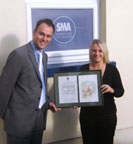 |
ANOTHER FIRM SIGNS UP TO WILDLIFE CHARITY'S NEW ALTERNATIVE TO CARBON OFFSETTING DESPITE DOWNTURN (Ref 17/12/08)
 |
NATIONAL NATURE RESERVE EXPANSION A BUTTERFLY BOOST (Ref DWT 11/12/08)
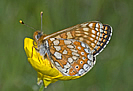 |
PUBLIC ENCOURAGED TO REPORT STRANDED MARINE ANIMALS (Ref DWT 8/12/08
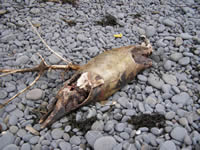 |
| Common Dolphin at Cornbourough Cliff, west of Westward Ho! 12 November - Photo by Dave Jenkins. |
LOCAL PEOPLE INVITED TO HAVE SAY OVER NEW MARINE CONSERVATION ZONES (Ref DWT 2711/08)
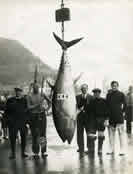 |
WILDLIFE CHARITY LAUNCHES APPEAL TO SAVE RARE HABITAT (Ref DWT 17/10/08)
Devon Wildlife Trust (DWT) is this month launching an appeal to raise £20,000 to help secure the wildlife rich grasslands in North Devon. The appeal, which has gone out to existing Devon Wildlife Trust members this week, will help to fund the charity's new five year restoration project - 'Working Wetlands'. Devon Wildlife Trust's Working Wetlands project is the charity's biggest and most ambitious project to date and covers an area of 65,000 hectares across northern Devon. The project aims to restore, re-create and reconnect large areas of this rare Culm Grassland habitat. A staggering 95% has been lost since the beginning of the 20th Century, mainly through agricultural improvement. Project Manager, Peter Burgess, said: "Donations to this project will help us restore this amazing habitat which supports many rare species of flowers and insects along with more well known creatures such as curlew and barn owls. We are encouraging people to help us buy key tracts of land, restore and re-create wildlife habitats, and rebuild continuous swathes of the landscape that made northern Devon famous." To donate to the appeal, visit www.devonwildlifetrust.org and click on 'Helping Us' or call DWT on 01392 279244. All donations will help to match fund the grants already received from the Tubney Charitable Trust, South West Water, Devon Waste Management, Grantscape, Natural England, Devonshire Motors and Farm & Cottage Holidays
Discovering Devon's beauty has never been easier Ref:1/9/08
North and South Devon Areas of Outstanding Natural Beauty have joined forces to produce a number of themed trails to enable people to discover some of the county's hidden gems. The eight trails are grouped into cultural themes; Man and the Landscape, Trade and Settlement, Coast in Conflict, and A Colourful Landscape. The trails are designed to cater for all abilities and range from a casual stroll to a strenuous 6-mile hike. Matthew Hensby from the AONB says, "Walking is undoubtedly the best way to experience and explore the countryside. It allows you to take in the sounds, smells and tranquilly like nothing else. Walking enables you to explore off the beaten track, climb to the most remote vantage points, and revel in the best of the Devon's landscapes and wildlife. Our project with the South Devon AONB was designed to encourage people to do just that, explore, experience and enjoy some of the best countryside in Britain, and for many it's just outside their font door!" Dave Edgcombe, AONB Project Officer continues "We are extremely happy with how the trails have turned out and would like to acknowledge the support of both the Devon County Council and Natural England whose funding was vital to this projects success." The trail guides are available for download from www.northdevon-aonb.org.uk/cultural_trails, www.discoverdevon.com/cutural-devon, and www.southdevonaonb.org.uk
North Devon AONB Team Grows (Ref 12/8/2008)
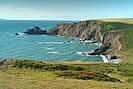 |
As the 50th anniversary of North Devon's Areas of Outstanding Natural Beauty (AONB) approaches, new team member Matthew Hensby has been drafted in to help promote the celebrations. A recent University of Exeter graduate, Matthew says, "To remain in Devon and have the opportunity to promote such a wonderful landscape is a real privilege. Thousands of people live in and visit the North Devon AONB every year, some without knowing it, and we hope that this occasion will allow people to discover, or rediscover, the area's fantastic qualities." The exciting programme of events will take place between autumn 2009 and spring 2010 and could include themed walks, cycle rides, local food festivals, photographic competitions, tree planting, talks, and a huge range of other activities and as Matthew explains, "the purpose of these celebrations are to increase the awareness of what is a stunning area and to promote sustainable ways of enjoying it." Matthew is keen to contact anyone who would like to organise an event or activity to celebrate the 50 years of the designation. In the almost 50 years since the ANOB was designated, many organisation have worked to keep this area special. Agencies such as the National Trust manage large coastal estates for the benefit of wildlife and the general public, the Devon Wildlife Trust operate a voluntary marine conservation area, the South West Coast path provides access to even the most remote areas, and numerous landowners and volunteers work hard to maintain the natural beauty of the coast. The AONB Partnership was established in 2004 and has invested close to £500,000 every year since, including the running of a successful grant fund supporting community projects from wood fuel boilers to tree planting schemes. Linda Blanchard, AONB Manager, continues, "North Devon is one of the country's most spectacular areas and the partnership is keen to make sure that everyone can enjoy the natural beauty of the AONB. With the upcoming events and having Matthew on board will help make the culmination of the past fifty years a great celebration for all." More information on the AONB's work and their 50th anniversary can be found on www.northdevon-aonb.org.uk The North Devon AONB would like to express thanks to the Graduates for Torridge Scheme and the University of Exeter for their help in making this project possible.
FIRST BUSINESS SIGNS UP TO WILDLIFE CHARITY'S NEW ALTERNATIVE TO CARBON OFFSETTING (Ref 14/8/08)
|
NORTH DEVON WOODLAND GETS BUG BENCH (Ref 15/08/08)
Gardeners from Yeo Valley Community Woodland will next week be installing a new feature to help attract more people and wildlife to the site. Created by members of the public earlier in the year at Devon Wildlife Trust's Wildlife Festival, the new 'Bug Bench' is set to be a useful and interesting addition to the woodland. The frame of the bench has been constructed out of wood and forms a number of individual compartments which have been filled with an array twigs, rocks, old flower pots, broken bricks and bark to create micro habitats for a range of creatures. Devon Wildlife Trust's (DWT) wildlife gardening expert John Hayward who has been designing similar structures for a number of other public spaces and gardens around Devon said: 'We hope this new bench will be a visible example of what people can do on their own patch to help encourage more wildlife. You don't have to build on this scale at home though. A simple rock or woodpile in the corner of your garden can make a great home for various mini beasts such as butterflies, solitary bees, spiders, beetles and ladybirds. With more and more of our beloved insect species in decline its important for people to take steps to help them, whatever size garden they have!' The woodland is owned and managed by North Devon Council Lead Member for Community and Spatial Planning, Cllr Des Brailey, says: 'This is the latest addition to the already thriving Community Woodland at Yeo Valley. The bug bench is a great idea - it will encourage more wildlife to the area, and provide somewhere for people to sit and enjoy the woodland.' For more information about how to do more for wildlife in your garden, visit www.devonwildlifetrust.org
 |
Devon Wildlife Trust (DWT) has this month been giving recognition to local farmers who have made effort to diversify and encourage more wildlife to their land holding through the charity's free Approval Scheme.The charity has been working with 43 businesses during the past year as part of its Confidence in the Countryside project. There were 10 businesses that achieved the highest gold standard, 26 won silver and 7 got bronze.One of the gold winners was Westlake Farm near Chilla. Along with self catering they run an award winning apple juice and cider business. George Travis from the farm said: 'The Confidence in the Countryside Project run by DWT has given us a strategy to manage the farm and business in a more environmentally friendly way. Already we have seen an increase in the biodiversity around the farm. Early mornings are filled with birdsong and visitors are amazed at the number and variety of wildflowers and butterflies in the Culm meadow. Dragonflies and damselflies fly over the reconstructed pond on sunny afternoons.''In the evenings bats take over from swallows in the hunt for insects around the farm yard. Barn owls, which have been absent for a few years, are now regularly seen at dusk patrolling rough grassland and have been the highlight for many visitors staying on the farm." Over the year, other farmers in North-west and Mid Devon have also been busy creating new biodiversity action plan habitat such as orchards, creating trails, working with school groups along with a myriad of other improvements to their accommodation all to gain the highest award possible. With the bronze, silver or gold awards the landowners will now be able to use the recognisable Devon Wildlife Trust approval scheme logo as part of the marketing of their business. This free marketing support also includes advertising on the Devon Wildlife Trust website and a framed certificate to display. David Leach DWT's Project Officer said: "Working with farmers is vital to Devon Wildlife Trust if we are to make the county richer in wildlife. You think you know Devon but some of the farms we have been working with are places that no-one else gets to and they are something special, particularly in the mornings & evenings when the wildlife is coming out to play. We really do encourage people to have a look at some of our new approved business and have a holiday at home." The project has now come to the end of its funding. The project was set up in 2002 with support from DEFRA's Vocational Training Scheme (part of the England Rural Development Programme) as part of DWT's Green Gateway project which was funded by Devon Waste Management and English Nature. DWT's work in this area continues with the new five year Working Wetlands project. For more information about the farms involved visit www.devonwildlifetrust.org
DEVONSHIRE MOTORS DONATES 4x4 TO NEW CONSERVATION PROJECT 25 July 2008
Devonshire Motors based in Barnstaple have donated a Mitsubishi Shogun along with the lease of a Mitsubishi Colt to be used by Devon Wildlife Trust's Working Wetlands project officers for site visits, events and conservation work through the 'Grazing Links' initiative. The donation has also meant that Devonshire Motors have become an official Corporate Supporter of Devon Wildlife Trust and the charity was delighted to present the company with a certificate at the official handover. Sales Director, Barry Brettell, said "Devonshire Motors has been a name synonymous with Mitsubishi in North Devon for over 25 years; today we are one of the most successful car dealerships in North Devon and are currently one of the top performing Mitsubishi franchises in the country. We were recently voted 3rd in a national customer satisfaction survey and were the top dealer in the South West". "We are really pleased with the level of success we have achieved in our area and what better way to celebrate than to be able to provide Devon Wildlife Trust, who do such great work to conserve our local wildlife, with a really good working vehicle. We hope that this rugged offroader will help them perform their vital day to day duties in comfort and with confidence." Devon Wildlife Trust's (DWT) Working Wetlands project will be the charity's biggest project to date. It is a five year project which aims to save the remaining Culm Grassland of North and West Devon. The project aims to restore, recreate and reconnect large areas of this rare habitat. 92% has been lost since the beginning of the 20th Century, mainly through agricultural improvement. The project aims to secure over 2000 hectares of Culm grassland in good condition by 2013 within three priority areas, Upper Tamar/Torridge Headwaters, Hollow & Odham Moors and Rackenford & Knowstone Moors. Working Wetlands will also reconnect important wildlife areas by restoring associated key habitats that provide essential links to the Culm sites. The project includes a team of five advisors that will be out on the ground talking to landowners and providing grants to help support the management of priority habitats. The project is managed by DWT's Peter Burgess, he said: "This is such a big donation for us it will make a huge difference to our working life as we start our new project. The Grazing Links project really needed a four wheel drive vehicle to help transport and tow essential machinery. We would like to thank Devonshire Motors for this generous donation." The project has been supported by the Tubney Charitable Trust, South West Water, Devon Waste Management, Grantscape and Natural England. For more information about the project call 01409 221823.
CONFERENCE TO LAUNCH RARE GRASSLAND PROJECT Ref 23/6/2008
A conference to be held this week will launch an ambitious new five year landscape scale project which aims to save the remaining Culm Grassland of North and West Devon. The conference will be held on 27 June at the Fox and Hounds Hotel, Eggesford. It will bring together over 80 delegates who have an interest in saving this unique wet grassland habitat. The conference is a chance for them to learn more about DWT's detailed plans for the next five years. Key speakers on the day will be Dr John Hopkins, a grassland specialist for the Nature Conservancy Council, Dr Mike Moser who is a wetlands specialist and has been Deputy Chair of English Nature since May 2004 along with Professor Michael Winter who is an expert on rural politics & economics and is Director of the Centre for Rural Research at the University of Exeter. Devon Wildlife Trust's (DWT) Working Wetlands project will be the charity's biggest project to date. The project aims to recreate large areas of this rare habitat. 92% has been lost since the beginning of the 20th Century, mainly through agricultural improvement.The project aims to secure over 2000 hectares of Culm grassland in good condition by 2013 within three priority areas, Upper Tamar/Torridge Headwaters, Hollow & Odham Moors and Rackenford & Knowstone Moors. Working Wetlands will also reconnect important wildlife areas by restoring associated key habitats that provide essential links to the Culm sites. The project includes a team of five advisors that will be out on the ground talking to landowners and providing grants to help support the management of priority habitats. The project will be managed by DWT's Peter Burgess, he said: "This conference is our chance to let as many interested parties know about our big plans for the next five years. DWT has been building up to this project for a couple of decades now, learning about how best to managed Culm Grassland and the challenges that face landowners. This landscape scale project brings together everything we have learned but moves it on to a much larger scale. In order to rebuild our biodiversity for the future we must work on a landscape scale, not just in small fragmented sites. If we don't start arresting the decline of these sites, our life giving ecosystems will cease to function especially with the onset of climate change." Devon holds over 80% of the remaining Culm left in England. Culm Grassland is an important habitat for breeding curlew, the European threatened marsh fritillary butterfly, narrow bordered bee-hawk moth and many rare wild flowers. The project has been supported by the Tubney Charitable Trust, South West Water, Devon Waste Management, Grantscape and Natural England.
For more information about the conference and how to get involved in the project, call 01409 221823
UNRAVELLING MYSTERIES OF THE HARBOUR PORPOISE IN NORTH DEVON Ref/2 June 2008
Tomorrow (Friday 13th June), Devon Wildlife Trust begins its search for the elusive harbour porpoise in the waters off Ilfracombe, North Devon. This marks Devon Wildlife Trust's involvement in cutting-edge research from the University of Exeter in collaboration with Natural England to investigate the underwater life of porpoise along the North Devon coastline. It is hoped that the findings will help conserve this elusive marine mammal in future. Devon Wildlife Trust will use two Timing-Porpoise detectors T-PODs) to listen for porpoise activity. A T-POD is a device used to log the presence of porpoises that emit echolocation clicks within its vicinity. T-PODs work by continuously scanning the frequencies over which porpoise emit their echolocation clicks. These clicks are used for communication and finding prey. Whenever a porpoise moves through the area close to the T-PODs the clicks are logged and are downloaded to a computer to see how long porpoise have spent in a particular area. Alex McDonald, project leader and University of Exeter MSC student says: 'This is an exciting opportunity to determine what brings porpoise to the area and hopefully predict similar places where we would expect to find porpoise along the Devon coastline. We need to find out what makes this area important to porpoises? How does the seabed or local characteristics of the area determine that porpoise will be found in a particular site? The findings will be valuable to future conservation efforts.' Little is known about the harbour porpoise's daily life as they are hard to spot on the surface. In recent years the harbour porpoise has seen widespread population declines throughout its range attributed to factors including fishing activity, exposure to PCBs (polychlorinated biphenyls) and habitat degradation. In order to adequately conserve the harbour porpoise, more information is needed about why porpoise are found in particular areas and not others. Alex McDonald adds: 'Continued effort from volunteers in the Cetacean Recording Network (CRN) has produced long-term data on porpoise presence in an area. This information could be greatly enhanced by using a T-POD to gather continuous data on porpoise presence in the Ilfracombe area. We hope this project will help unravel some of the mysteries of this amazing creature.' For more information about the Cetacean Recording Network visit www.devonwildlifetrust.org
CORPORATE CONSERVATION TO HELP PROTECT RARE SPECIES Ref 30 May 2008
The Devon Wildlife Trust has received a grant from the Dartmoor National Park Authority's Dartmoor Sustainable Development Fund to help support vital conservation work on five of the charity's nature reserves. The grant of £6,155 will fund a programme of 12 corporate volunteering events on five of DWT's nature reserves based within Dartmoor National Park including Emsworthy, Blackadon, Mill Bottom, Lower East Loundson and the popular Dunsford nature reserve. The work will benefit species such the rare high brown fritillary butterfly which enjoys the sunny slopes within the sessile oak woodland at Blackadon. The species has been suffering due to the increase of bracken that has been shading out the violets which the insect feeds on. Other species which will benefit include the threatened marsh fritillary, dormouse, pied flycatcher and blackcap.The corporate volunteers will be helping with scrub clearance, cutting and raking bracken and coppicing at the sites, all tasks which are labour intensive and time consuming for reserve officers to carry out by themselves. DWT's corporate relations officer has been pioneering corporate volunteering over the past 5 years through a programme of work with nearly 100 different corporate supporters including EDF Energy, Bardon Aggregates and the Met Office. Tracy Ebbrell DWT's Corporate Relations Officer said: "We are committed to getting more people out on our nature reserves and to getting businesses to increase their accountability. As part of our growing Corporate Supporter Scheme, we are now running a Corporate Volunteering Project which helps us deliver labour intensive habitat management work on our nature reserves and gets local businesses involved in wildlife conservation. This grant will help with the costs of staff time, transport, tools and materials for the tasks and will be invaluable." Holly Tiffen, Sustainable Development Officer at Dartmoor National Park Authority said: "The Dartmoor Sustainable Development Fund has been set up to encourage innovative sustainable development projects that help improve the quality of life of communities on Dartmoor, both now and in the future." For more information about DWT's corporate work visit: www.devonwildlifetrust.org
JOHNNY KINGDOM TO OPEN WILDLIFE FESTIVAL Ref: 29 May 2008
Next week Devon Wildlife Trust (DWT) presents its annual Wildlife Festival as part of Wildlife Weeks. This year the festival will take place in the Pannier Market in Barnstaple on Sunday 8 June from 10am until 4pm and will be opened by TV presenter Johnny Kingdom. The event, which is part of the North Devon Festival, will feature a range of activities for people to find out more about Devon's wildlife and learn how to get involved in conservation around the county. There will be bird and bug-box making, a willow workshop, guided wildlife walks, facepainting and badgemaking and there will be special appearances by anemones, blennies and crabs from North Devon Voluntary Marine Conservation Area. There will also be the chance to take a very close look at some creepy crawlies at the wildlife gardening display. Like last year, the charity is hoping thousands of people will come along the day and have linked up with the North Devon Festival to help promote the event. DWT's Rod Birtles said: 'We had a fantastic Wildlife Festival last year in Plymouth city centre and this year we have moved the event north to Barnstaple and we are hoping for a big turnout. A lot of people know that we look after nature reserves in Devon but there is so much more to DWT that we want people to know about and get involved with. Our annual festival is a wild day out for all the family!" For more information about the event visit www.devonwildlifetrust.org
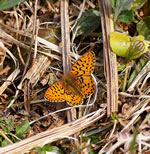 |
| Pearl-bordered fritillary at Marsland |
A 20 year survey of pearl-bordered and small pearl-bordered fritillary butterflies at Devon Wildlife Trust's (DWT) Marsland nature reserve has revealed that numbers have been increasing dramatically (over 200%) for both species compared to the overall national decline thanks to careful management. DWT's nature reserves officer Gary Pilkington has been managing the site for over 20 years to improve the wooded valley's glades and pastures for the benefit of these rare butterflies. It is one of the most closely monitored sites in the South West for butterflies and the knowledge accrued over the years has really paid dividends. The 212 hectare site on the North Devon coast supports five species of fritillaries in total and last year received funding from the North Devon AONB Sustainable Development Fund to further boost numbers. As the flight season comes to an end for the pearl-bordered fritillaries the signs are looking good for another year. DWT's Gary Pilkington said: "We have worked hard over the last two decades to improve the habitat for these beautiful and rare insects and it is great to see such positive improvements compared to the over 50% decline nationally for both the species. Over the years we have learnt exactly what they need to thrive here including appropriate bracken control, scrub management and providing the open ground loved by the pearl-bordered fritillaries. This is the ideal time of the year to see small pearl-bordered fritillaries in flight so our next job this month will be to monitor their numbers." The management work has been carried out by DWT staff, local contractors and volunteers which have all helped to remove gorse, willow, alder and other scrub in the habitats best suited to the butterflies. Similar work over the years has seen large increases in the numbers of common dog-violets which is the food plant of the fritillaries' caterpillars as well as bugle which is the main nectar source for the adults. With each of the species preferring slightly different habitat it has been a balancing act over the years. Gary added: "The small pearl-bordered fritillary thrives in the damper sections of the woodland, whilst the pearl-bordered fritillary enjoys the sunny west-facing slopes. Even though we are doing well, the work still has to continue each year, it's a constant battle. One of the other fritillaries, the high brown is only just hanging on here so we certainly can't rest on our laurels!" For more information about the site and to read the report visit the Marsland nature reserve page at www.devonwildlifetrust.org
DEVON GETS 94 NEW WILDLIFE SITES - 11 March 08
The County Wildlife Site project, run by The Devon Biodiversity Records Centre (DBRC) in partnership with a number of agencies and authorities across Devon, surveyed 174 sites during 2007. Of those 94 will now be classed as County Wildlife Sites, meaning more protection for wildlife in the county. County Wildlife Sites are places that are considered important for the wildlife they contain. They can include a range of interests from old broadleaved woodland to small fields of traditional pasture and fragments of heath. Although not a statutory designation like Sites of Special Scientific Interest, they do have value as they are included in Local Plans and are increasingly recognised by the government and local authorities as a vital tool for monitoring the health of the natural environment. The survey work was carried out during April to October 2007 in a number of areas across the county including the Blackdowns AONB, Plymouth, Teignbridge, Mid Devon, North Devon and West Devon. Emma Townsend who managed the project said: "By recognising these areas of land as County Wildlife Sites we can identify them as being rich in wildlife and map the main priority wildlife areas of Devon. We can now also use the new data for assessing how the environment changes over time, particularly in the light of a changing climate and external pressures. One of the ways we use the data is to screen planning applications to make sure the needs of wildlife are taken into account. A benefit for the landowners is that it can potentially make them eligible for environmental grants although many are just pleased to know that their management over the years has produced sites of significant quality." The 3 year project has now come to an end and was only made possible thanks to funding and support from Devon County Council, and a partnership of other funding partners including Natural England, Environment Agency, Plymouth City Council, Teignbridge District Council, Torridge District Council, North Devon District Council, Mid Devon District Council, South Hams District Council, West Devon Borough Council, Blackdown Hills AONB, North Devon AONB, East Devon AONB, Tamar Valley Mining Heritage Area, South Devon AONB and Dartmoor National Park. Over the three years around 200,000 hectares have been screened for potential new sites using aerial photographs. All the work has meant that there are now a total of around 1900 County Wildlife Sites in Devon. The survey work will continue into next year albeit on a smaller scale thanks to funding from North Devon District Council, Torridge District Council and the North Devon AONB. For more information about the work of DBRC visit Devon Wildlife Trust at www.devonwildlifetrust.org
LOTTERY CASH HELPS TO SAVE DOLPHINS
Devon Wildlife Trust (DWT) has received £5000 to fund its Cetacean Recording Network which is helping to monitor numbers of dolphins seen off the county's coastline so they can be better understood and protected. The money has been awarded by Awards for All, the funding body of the Heritage Lottery Fund. The body awards grants of between £300 and £10,000 for people to take part in art, sport, heritage and community activities, and projects that promote education, the environment and health in the local community. The project has already attracted over 100 volunteer recorders who spend a set amount of hours each month scouring the waters off Devon looking for signs of cetaceans. The money will help go towards training more volunteers as well as the installation of digital recording units called TPOD's to monitor dolphin sounds at points around the coast. David Ireland, DWT's Communications Officer said: 'Every year, the waters of the south west play host to many fascinating marine creatures. There are resident populations of bottlenose dolphins, porpoises and whales around the coast, and visitors like minke and pilot whales, and common dolphins but we know very little about their behaviour and movements. This grant will help to support our work in this field enabling us to train more volunteers to vastly increase our knowledge of these marine mammals.' For more information about the project visit www.devonwildlifetrust.org and click on 'Cetacean Recording Network'. There is also a marine mammal ID guide that can be downloaded from the site.
WILDLIFE CHARITY GETS BAT BOOST
Devon Wildlife Trust (DWT) has received £11,281 to fund a new project to help protect and encourage bats at a number of the charity's nature reserves. The project will concentrate on two of DWT's quarry sites, Sourton just off the A30 near Okehampton and Higher Kiln near Buckfastleigh. Both nature reserves are already well known for their rare bat species. Devon is home to at least a third of the UK's remaining population of the rare Greater Horseshoe bat. Higher Kiln Quarry is an important winter roost site for the species which is one of the biggest of the UK bats with only around 6,600 individuals remaining. Sourton Quarry is home to 14 of the UK's 17 bat species. Currently many of the bats frequenting the site are just feeding and passing through but it has huge potential as a permanent residence for hundreds of bats. The grant has been provided by the Alcoa Foundation and will include a range of habitat improvements to make the sites even more bat friendly. At Sourton Quarry the lime kilns and associated buildings will be converted into suitable bat habitat with the construction of wooden bat nursery communes. The work at Higher Kiln will concentrate on the restoration of a barn to provide an extra breeding refuge along with work to rejuvenate a nearby pond to increase the numbers of insects which are a key food source for the bats. Matt Boydell, DWT's Nature Reserves Manager said: 'The number of bats in the UK has plummeted in the last few decades. There are a range of causes including habitat loss, disturbance and destruction of hibernation sites. This project aims to give the bats a real boost and to help halt the decline in Devon. We are really thankful to the Alcoa Foundation and local subsidiary Howmet for helping to make this project happen and are really excited to see the results in the coming years.' As well as funding the restoration work, the grant will also enable DWT to monitor the bats using new digital technology that has been pioneered in the US but not been fully exploited in Britain. For more information about the two nature reserves visit www.devonwildlifetrust.org
LYME BAY REEFS REPORT PROVES NEED FOR STATUTORY PROTECTION AGAINST DREDGING
Today sees the start of the scallop dredging season in Devon which will once again threaten the nationally important Lyme Bay Reefs. To coincide with the start of the season, Devon Wildlife Trust (DWT) is releasing a report which documents its research over the past 16 years. The report is being launched at a meeting of the Devon Maritime Forum in Barnstaple and is available online. The report concludes that:
* The threat from scallop dredging will, if left unchecked, lead to wholesale destruction of nationally important seabed communities.
* A total ban on scallop dredging on Lyme Bay Reefs is the only effective way to protect rare and protected species.
* Scallop dredging is less economically valuable to Lyme Bay Reefs than sustainable activities such as diving, potting and angling.
The report has been produced to support DWT's response to the DEFRA consultation which runs until 7 December 2007 to decide the future of the Lyme Bay's vulnerable reef system. The Wildlife Trusts are calling for the full 60sq mile area of reefs, less than 10% of Lyme Bay to be protected from dredging. Paul Gompertz, DWT's Director said: "This report is the culmination of 16 years dedicated research, including scientific surveys, seabed mapping and work with local fishermen. The reefs are the undersea equivalent of the rainforests and the report demonstrates that closure of Lyme Bay Reefs to dredging is essential if we are to stop their destruction. We must stop scallop dredging as soon as possible to allow the reefs time and space to recover." To read the report 'Lyme Bay Reefs - A 16 year search for sustainability' and to support the Wildlife Trust's campaign to protect Lyme Bay Reefs visit www.savelymebayreefs.org
A carpet of bluebells on the woodland floor makes a dazzling sight in springtime. However, our most popular native wildflower is under threat. This month Devon Wildlife Trust is holding a Spring Walk at Halsdon nature reserve on Saturday 5 May for people to learn more about this spectacular flower and how they can help protect it. One threat to British bluebells is its popularity in gardens, which leads to wild bulbs being dug up and sold. The bluebell is a protected species and it is illegal to take bulbs from the wild. This is a matter of great concern as once removed it can take up to 100 years for bluebell woodlands to regenerate. Climate change is also a problem. Bluebells flower and grow earlier than most of our wildflowers but warmer winters could alter this pattern and mean bluebells no longer have the advantage over other species. This could have a knock-on effect on our wildlife - bluebells are an important early food flower for bees, hoverflies and butterflies which feed on nectar. The Spanish bluebell, widely cultivated in gardens and parks, is another threat to the British bluebell due to the two species inter-breeding. Hybridisation of this kind can alter the genetic make up of a species, threatening its long-term survival. There are other ways in which you can help the British bluebell. Event organiser Jo Pullin says: 'We can all help to save our native bluebells. If you are buying them for your garden please check the bulbs have been cultivated for sale and, if in any doubt, ask the garden centre manager. If you want to enjoy these plants the best way is to see them in their natural setting at one of our reserves and this event at Halsdon is an opportunity to do just that!' The event will start from the Ashwell carpark, Halsdon nature reserve near Dolton at 10am. People are advised to wear sturdy shoes as some of the ground is steep. For more information about the event contact DWT on 01392 279244.
GARDEN CENTRE WELCOMED AS WILDLIFE SUPPORTER
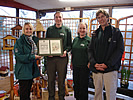 |
A report launched yesterday by The Wildlife Trusts, calls for urgent Government action to prepare wildlife for climate change.The report - A Living Landscape - has a four-point plan which maps the way forward in countering climate change and restoring the UK's battered ecosystems, for both wildlife and people. The Wildlife Trusts' report comes at a time when the importance of our natural environment and threats to its survival are becoming more clearly understood thanks to a number of high profile reports.Here in the South West, wildlife is already having to face the first effects of climate change with warmer dryer summers and milder winters disrupting nature's normal balance. Devon Wildlife Trust is now working to help wildlife adapt to this damaging change through projects such as Dart Catchment Project which is featured in the report. Richard White, Devon Wildlife Trust's Head of Wildlife Champions said: "We are likely to be fighting a losing battle if we only concentrate on protecting wildlife in relatively small oases such as SSSIs and nature reserves. So we need to restore biodiversity over much larger areas, or landscapes. This new report highlights some of the work we have already been doing in the South West, such as the 'Nature Map' and the Dart Catchment Project (also featured in the report). The Nature Map identifies landscape size areas with potential for biodiversity restoration and we are now working with partners to see how they can best be implemented." The charity is now in the process of planning other new projects following the blueprint of the successful Dart Catchment Project. Another of its flagship large scale projects was launched in April. The Culm Natural Networks project is looking at a long term goal of linking up more of the last remaining areas of Culm Grassland sites. It is achieving this through working with local landowners as well as creating nature reserves such as the newly acquired Veilstone Moor in North Devon. Richard added: "Only with the support from the Government will we have the chance to properly prepare vulnerable habitats such as the rare and little known about Culm Measures for a more stable future as they face the threat from climate change." For more information call David Ireland on 01392 279244
FARMERS MEET TO DECIDE HOW BEST TO CARE FOR RARE CULM SITES
 |
NEW NATURE RESERVE BOOST FOR BUTTERFLY
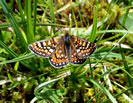 |
CHARITY ASKS GARDEN BIRD WATCHERS TO LOOK OUT FOR NEW DISEASE
Devon Wildlife Trust has received a number of reports from wildlife lovers in the county about the spread of a disease affecting garden birds. Trichomoniasis is caused by a single-celled parasite Trichomonas and the symptoms include fluffed up plumage, lethargic behaviour and matted feathers around the face. Known from poultry and birds of prey, the disease has now spread to garden birds.The disease is most likely to be transmitted by birds regurgitating food for one another, which is the usual way adults feed their young, and has recently become especially prevalent amongst greenfinches and chaffinches. Many birds such as these at this time of year are coming into gardens to feed at garden birdfeeders with the onset of winter weather and shortages of food in the wild. Stephen Carroll, DWT's Community Biodiversity Officer said: "Gardens are becoming increasingly important for wildlife as natural habitats are coming under increasing pressure. Gardens can be both habitats in their own right and act as corridors linking up nearby woodlands, parks and other areas. This fragmentation is compounded by the impending threat of climate change, and as Trichomonas is vulnerable to desiccation, the dry warm summer may have been one of the causes of this new spread". Ways to combat the spread of the disease include observing routine good hygiene at bird feeders, such as cleaning away old rotten food, supplying fresh water, putting out food that bears the approved kite mark symbol, and periodically moving feeders and bird tables to different parts of the garden to prevent build up of disease. For more information about turning your garden into a wildlife haven and DWT's wildlife gardening project contact Devon Wildlife Trust on 01392 279244 or visit the webpage at www.devonwildlifetrust.org
NEW HIDE A BOOST TO NATURE RESERVE
After two years of fundraising by a group of volunteers a new bird hide has been installed at one of Devon Wildlife Trust's (DWT) most popular nature reserves, Halsdon. The Site of Special Scientific Interest has been supported by DWT's Halsdon and Dolton Local Group since it was set up in 1983, the same year that DWT took over the site. It has taken the group two years to raise the money for the hide. Achieved primarily through a series of fundraising events including two open garden events, several slide shows and a farm walk, the remaining money was grant funded from Leader +. Chairman of the Local Group Diana Goodacre, who came up with idea said: "It is great to have the hide in place and it is already proving to be successful. The first dawn after it was erected I saw an otter swimming close by in the river Torridge. I've been walking in the reserve for 23 years and this is the first time I have seen an otter here!" The hide is 3.4 metres long by 2.4 metres deep and is located at the northern end of the reserve overlooking the river. It was built and installed by well-known hide specialists the Gilleard Brothers. It is now hoped that it will encourage more groups and school parties to visit the reserve to enjoy its wealth of wildlife. The reserve is 57 hectares of deciduous river valley woodland, meadows and marsh known for its dippers, kingfishers and sand martins along with an array of damselflies. For more information about volunteering on the reserve or the range of autumn events run by the Local Group call 01392 279244 or visit www.devonwildlifetrust.org
PRESS RELEASES FROM THE AONB Get out in the open air! - Use this link to keep up to date with the "AONB" walks and special events
 |
The North Devon Areas of Outstanding Natural Beauty (AONB), in conjunction with the Butterfly Conservation, recently took a group of willing volunteers to a local nature reserve in search of the Marsh Fritillary, one of the South West's rarest and most beautiful butterfly species.
The event was held at Volehouse Moor, a Devon Wildlife Trust Reserve situated just outside the North Devon AONB, and one of the best examples of suitable habitat in the area.The search was a huge success, and despite the weather being a little overcast for buttery activity, Marsh Fritillary butterflies were discovered by the volunteers and there was strong evidence of breeding activity too. The event was organised as part of the North Devon AONB's State of the Environment Reporting, as a way of teaching people about this rare butterfly and the habitat it requires to survive in. Peter Burgess, from the Butterfly Conservation, said, "Marsh fritillary numbers have declined significantly in the Culm over recent years. Monitoring sites, that are being sympathetically restored, will provide crucial information that will aid our understanding of the species requirements in this area. This work would not be possible without the commitment of volunteers willing to monitor habitats throughout the year." The willing volunteers will now be carrying out further habitat monitoring surveys of key land within the AONB, in order to assess the condition of these areas for future or potential Marsh Fritillary sites. The Marsh Fritillary is a protected species and the AONB ask that any sightings of these butterflies, eggs or caterpillars are reported to the Butterfly Conservation. If you would like any further information about the Marsh Fritillary, volunteering, or the Project in general, please contact Janine Holbert, the North Devon AONB Volunteer Co-ordinator, on 01237 423655 or email Janine.holbert@devon.gov.uk

